CROP ORIGIN
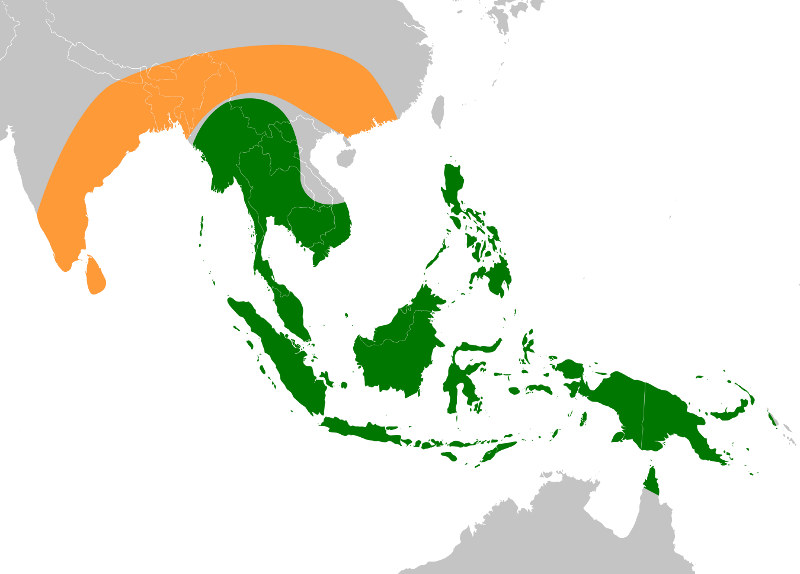
Although the general area of the domestication origin for bananas is known, the exact location is still debated. Some of the first archaeological evidence of the origin of the banana can be found in New Guinea dating around 8000 B.C. The specific species grown is known as Musa acuminata. Similar pieces of evidence can be found in South East Asia and the South Pacific dating around 8000 to 5000 B.C. These pieces of evidence suggest that “bananas are the first cultivated fruit”(abgc.org.au).
The name banana is believed to have come from the the Arabian slave traders during the early year of trading. The bananas they were trading did not look like modern bananas; instead, they resembled a adult finger. The Arabic word for finger is “banan”, hence the name banana was given to the fruit. The other name for bananas, plantains, is thought to have originated from the Spaniards. It greatly resembled their native plane tree and was then given the name “platano”(abgc.org.au).
The most common cultivar, the Cavendish, first came into popularity in the 1820’s. It was first introduced in 1903, but it did not become the dominant cultivar until the 1950’s. This occurred due to the popular cultivar Gros Michel dying off due to Panama Disease. Since the 1950’s, the Cavendish cultivar has become “the most internationally traded banana” (fao.org).
PRODUCTION LOGISTICS
Banana production begins at three major countries:Ecuador, Guatemala and Costa Rica (Medium.com). Of all the bananas produced worldwide, only 15-20% of those are traded globally. Prior to harvesting, the bananas are covered with bags to act as a shield against insects and farmers also place soft materials between banana bunches to prevent scratches. Most banana farms have packing plants adjacent to them; this provides easier and faster access to washing and sorting. During the sorting process, banana boxes are stamped with a box code. This code includes all necessary information to be able to trace the origin of production if a quality issue arises. From here they are taken to different ports around their respective countries where they’ll be distributed globally. Most of the bananas shipped are still green and not ripe. At this point the bananas go through a process of forced ripening, which involves storing them in a temperature controlled room called muro for multiple days. It is in the muro where ethylene gas is carefully applied to trigger ripening. Once the bananas are almost fully ripe, they are then cleaned and then distributed all over the country.

 Daniel and Bailey's Banana Biotechnology Blog